
01
Hormonal imbalance
Estrogen plays a significant role in the progression of adenomyosis. Higher oestrogen exposure over a lifetime is one of the more consistent factors seen in women who develop the condition.
-min.png)
Adenomyosis is a debilitating gynecological condition where the inner lining of the uterus (endometrium) grows into the muscular wall of the uterus. This can cause severe pain, heavy menstrual bleeding, and overall discomfort, significantly affecting a woman’s quality of life.
Fortunately, Adenomyosis Surgery in Gurgaon offers advanced medical solutions, including medication, minimally invasive procedures, and surgical treatments, ensuring relief for affected women.
Book Your Consultation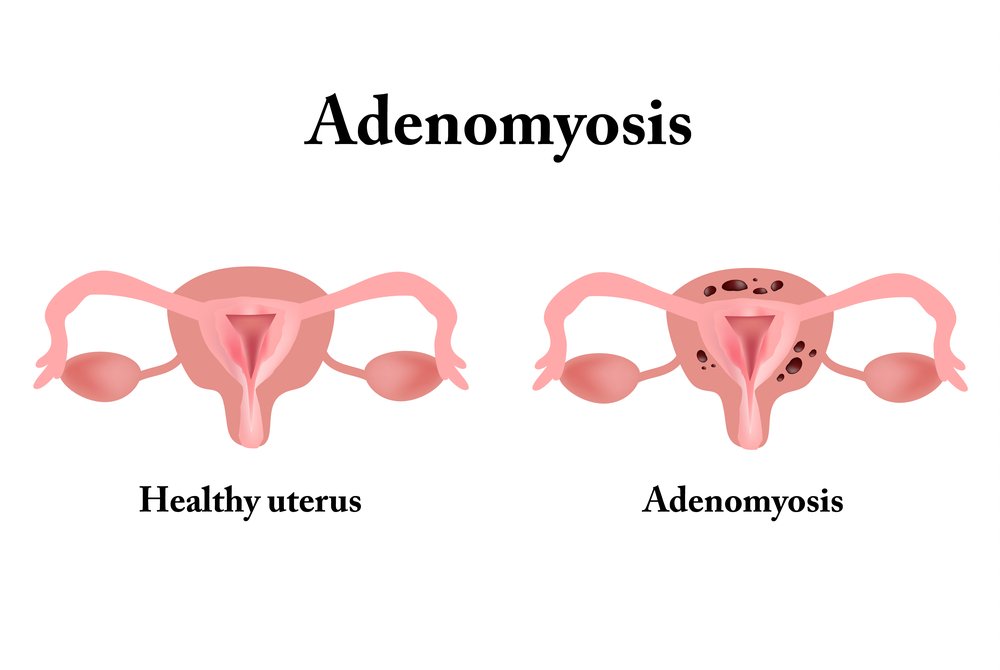
Adenomyosis is often confused with endometriosis, but the two conditions are distinct. While endometriosis occurs outside the uterus, adenomyosis affects the muscular wall of the uterus itself.

Adenomyosis is a debilitating gynecological condition where the inner lining of the uterus grows into the muscular wall of the uterus.

It is often confused with endometriosis, but the two conditions are distinct — endometriosis occurs outside the uterus, while adenomyosis affects the uterine wall itself.

This can cause severe pain, heavy menstrual bleeding, and overall discomfort, significantly affecting a woman’s quality of life.

It is more commonly diagnosed in women between the ages of 35–50 and often subsides after menopause.

For women experiencing persistent symptoms, consulting an adenomyosis specialist in Gurgaon is the first step toward effective diagnosis and treatment.
Although the exact cause of adenomyosis remains unknown, several factors contribute to its development.
Estrogen plays a significant role in the progression of adenomyosis. Higher oestrogen exposure over a lifetime is one of the more consistent factors seen in women who develop the condition.

C-sections, fibroid removal, or other uterine procedures may increase the risk. Any surgery that disrupts the normal boundary between the uterine lining and the muscle wall gives the endometrium a route to grow inward.

Women who have had multiple pregnancies are more prone to developing adenomyosis. The repeated stretching and remodelling of the uterus with each pregnancy is thought to play a part.

Accurate diagnosis is crucial to determining the appropriate adenomyosis treatment in Gurgaon. Several diagnostic methods are used, including:
If symptoms persist despite initial treatments, laparoscopic adenomyosis treatment may be recommended.
The treatment approach depends on the severity of symptoms, reproductive plans, and overall health.
Birth control pills, intrauterine devices (IUDs), and hormone injections can help regulate estrogen levels.
Nonsteroidal anti-inflammatory drugs (NSAIDs) like ibuprofen can alleviate pelvic pain and inflammation.
A minimally invasive procedure that removes the uterine lining to reduce bleeding.
Gonadotropin-releasing hormone agonists suppress estrogen production and help shrink adenomyotic tissue.
When medication is not enough, the next step depends on whether preserving the uterus is a priority.
A non-surgical procedure that blocks blood flow to adenomyotic tissue, causing it to shrink over time.
A minimally invasive surgical option where small incisions are made to remove or treat adenomyotic tissue while preserving the uterus.
For severe cases where fertility is not a concern, removal of the uterus may be the most effective solution for long-term relief.
The adenomyosis surgery cost in Gurgaon varies based on factors such as:
On average, the cost ranges between ₹1,50,000 to ₹3,50,000. Consulting an adenomyosis specialist near you can provide a precise cost estimate based on an individual’s health condition.

Post-surgical recovery depends on the procedure performed, but general recovery guidelines include:
Patients who undergo laparoscopic adenomyosis treatment typically recover within 4–6 weeks, whereas a hysterectomy may require a longer recovery period.
While there is no guaranteed way to prevent adenomyosis, certain lifestyle modifications may help manage symptoms effectively.
Selecting an experienced gynecologist is essential for effective diagnosis and treatment. Dr. Deepti Asthana, Additional Director Obstetrics & Gynaecology, Fortis Gurgaon, is a leading expert in adenomyosis treatment in Gurgaon and offers comprehensive, patient-centric care.
Dr. Deepti Asthana is a highly distinguished Obstetrician, Gynecologist, and minimally invasive surgeon with over 20+ years of clinical experience. She holds an MBBS from KGMC, Lucknow, and an MS from SMS Medical College, Jaipur. Currently, she serves as a Consultant at Fortis Memorial Research Institute, Gurgaon, and is the esteemed Director of Kalosa Aesthetics.
A highly specialized area of her advanced gynecological practice is the diagnosis and treatment of adenomyosis, using both medical management and minimally invasive laparoscopic surgery, with the aim of preserving the uterus wherever fertility is a priority.

Recognising that patient care, a gentle bedside manner and precise clinical outcomes come first, Dr Deepti Asthana takes pride in being a compassionate doctor who always puts her patients’ needs first.
She is an outstanding doctor &the most humble person.... always available for you ..she made my pregnancy journey so so easy by guiding me..i wish to give her a 10 ⭐⭐

I have been consulting Dr. Deepti since the past 3 years. Starting as my gynaecologist, treating my PMOS to guiding me into motherhood and finally, being my Obstetrician to deliver my twin babies via C-section. She has been an unwavering support throughout the journey, and all this could not have been possible without her. She has a very professional, knowledgeable, non-judgmental and empathetic approach towards all her patients, and makes you feel comfortable and heard. I can definitely recommend her to others with my eyes closed.
Dr Deepti Asthana is a wonderful doctor and I feel really fortunate to have found her. She has a pleasant, positive and reassuring manner. She listened to my concerns as a patient and factored them in her treatment plan. My surgery went off seamlessly and the recovery is also very good. Her coordinator Rhea was also very helpful.
Dr Deepti Asthana answers the questions patients ask most often in the clinic.
How keyhole surgery is used to treat adenomyosis, fibroids and endometriosis.
What to expect in the first few weeks after minimally invasive gynaecological surgery.
Understanding when heavy or painful periods need investigation and treatment.
Short expert insights on adenomyosis, women’s health and gynecological treatments.
Adenomyosis is a debilitating gynecological condition where the inner lining of the uterus, the endometrium, grows into the muscular wall of the uterus. This can cause severe pain, heavy menstrual bleeding, and overall discomfort.
Adenomyosis is often confused with endometriosis, but the two conditions are distinct. Endometriosis occurs outside the uterus, while adenomyosis affects the muscular wall of the uterus itself.
Common symptoms include heavy or prolonged menstrual bleeding, severe pelvic pain and cramps, painful intercourse, chronic fatigue, fertility issues, pelvic pressure or bloating, and increased menstrual clotting.
The exact cause remains unknown, but contributing factors include hormonal imbalance, particularly oestrogen; previous uterine surgery such as C-sections or fibroid removal; multiple pregnancies; and chronic uterine inflammation. It is most commonly diagnosed in women aged 35 to 50.
Diagnosis typically involves a pelvic examination to detect uterine enlargement or tenderness, ultrasound imaging to identify thickened uterine walls, an MRI for a detailed view of uterine tissues, and sometimes an endometrial biopsy to rule out other conditions.
Treatment ranges from medication-based options such as hormonal therapy, pain management and GnRH agonists, to minimally invasive procedures like uterine artery embolization and laparoscopic adenomyosis treatment, to hysterectomy for severe cases where fertility is not a concern.
Laparoscopic adenomyosis treatment is a minimally invasive surgical option where small incisions are made to remove or treat adenomyotic tissue while preserving the uterus, making it suitable for women who wish to retain fertility.
On average, the cost ranges between ₹1,50,000 to ₹3,50,000, depending on factors such as the type of procedure performed, the choice of hospital and surgeon’s expertise, additional diagnostic tests, and the patient’s overall health condition and insurance coverage.
Patients who undergo laparoscopic adenomyosis treatment typically recover within 4 to 6 weeks, whereas a hysterectomy may require a longer recovery period. Strenuous activities should be avoided for at least two weeks after surgery regardless of the procedure.
There is no guaranteed way to prevent adenomyosis, but lifestyle modifications such as an anti-inflammatory diet, regular moderate exercise, stress management, and routine gynecological check-ups may help manage symptoms and support early detection.
Adenomyosis is a challenging condition, but with the right medical support, it can be effectively managed. Women experiencing severe symptoms should seek professional medical advice from a trusted adenomyosis specialist.
For effective adenomyosis treatment in Gurgaon, Dr. Deepti Asthana provides expert care using advanced diagnostic and surgical techniques. Whether opting for medication, minimally invasive procedures, or surgery, seeking the right guidance is essential for long-term relief.
Book a consultation today to explore the best treatment options for a pain-free and healthier future!